
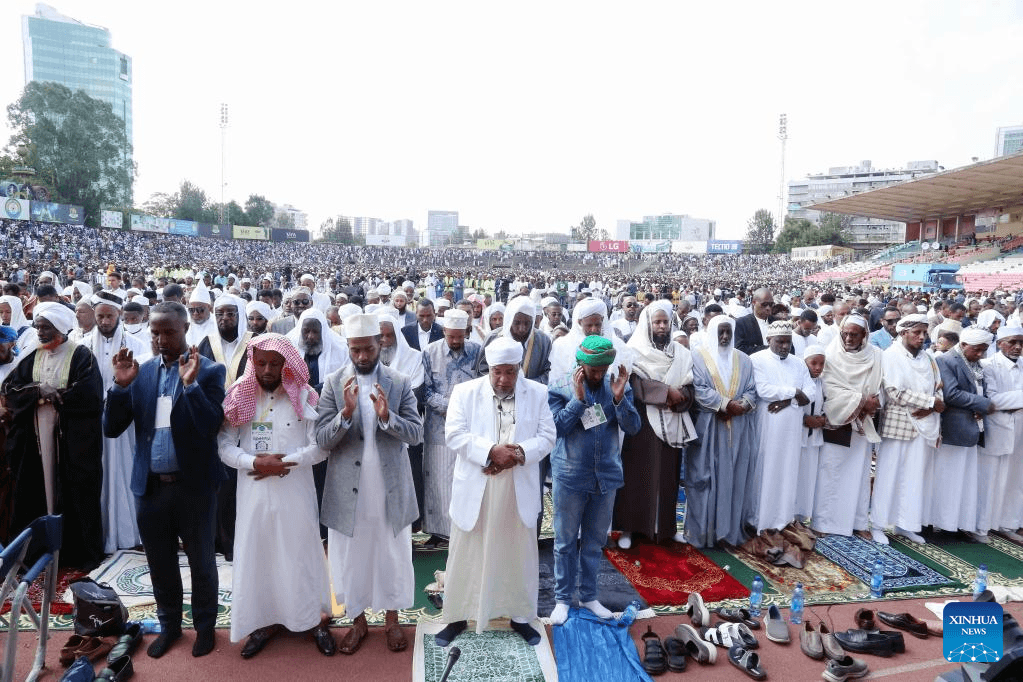
Ethiopian Eid (Eid al-Fitr & Eid al-Adha)
Islamic festivals celebrated by Ethiopia's significant Muslim community with profound religious devotion, community solidarity, and cultural expressions that reflect Ethiopia's unique Islamic heritage. Eid al-Fitr marks the end of Ramadan's month-long fasting, while Eid al-Adha commemorates Prophet Ibrahim's willingness to sacrifice his son. Ethiopian Eid celebrations blend universal Islamic practices with distinctive local traditions, particularly vibrant in historic Islamic centers like Harar.
About the Festival
Significance
Eid al-Fitr ('Festival of Breaking the Fast') marks the end of Ramadan, the Islamic holy month of fasting from dawn to sunset. Eid al-Adha ('Festival of Sacrifice') commemorates Prophet Ibrahim's willingness to sacrifice his son Ismail as an act of obedience to God. Both festivals emphasize faith, community, charity, and family bonds within Ethiopia's diverse Islamic traditions that date back to the earliest days of Islam.
Festival Highlights
Cultural Tips
Dress modestly when visiting mosques or Muslim communities
Accept offers of food and drink as gestures of hospitality
Greet Muslims with 'Eid Mubarak' (Blessed Eid)
Participate in community celebrations if invited, while respecting religious observances
Respect prayer times and spaces during religious services
Be aware that businesses may close or have limited hours on Eid morning
In Harar, observe the unique architectural decorations and special religious practices
Photography should be discreet during prayers and in religious spaces
Other Festivals You Might Like

Ethiopian New Year (Enkutatash)
Celebrate the Ethiopian New Year on September 11th (or 12th in leap years), marking the end of the r...
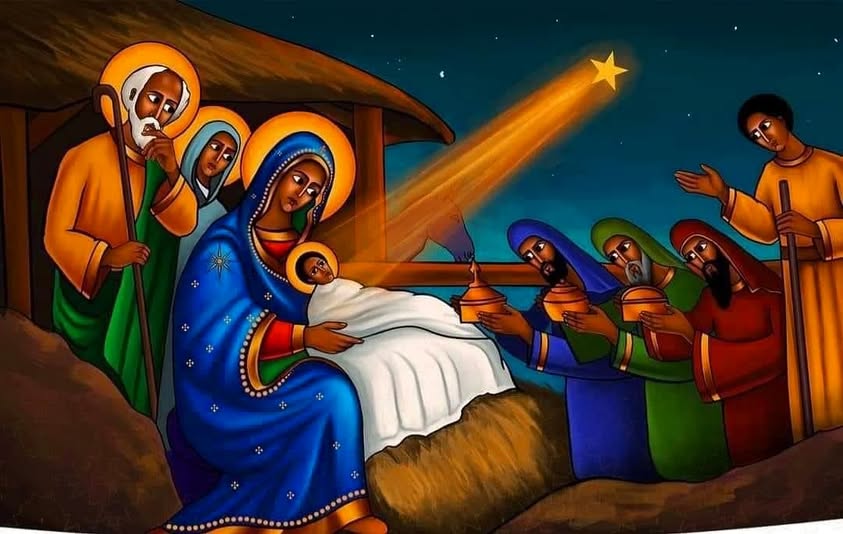
Ethiopian Christmas (Genna)
Celebrate Ethiopian Christmas on January 7th according to the ancient Julian calendar, with profound...
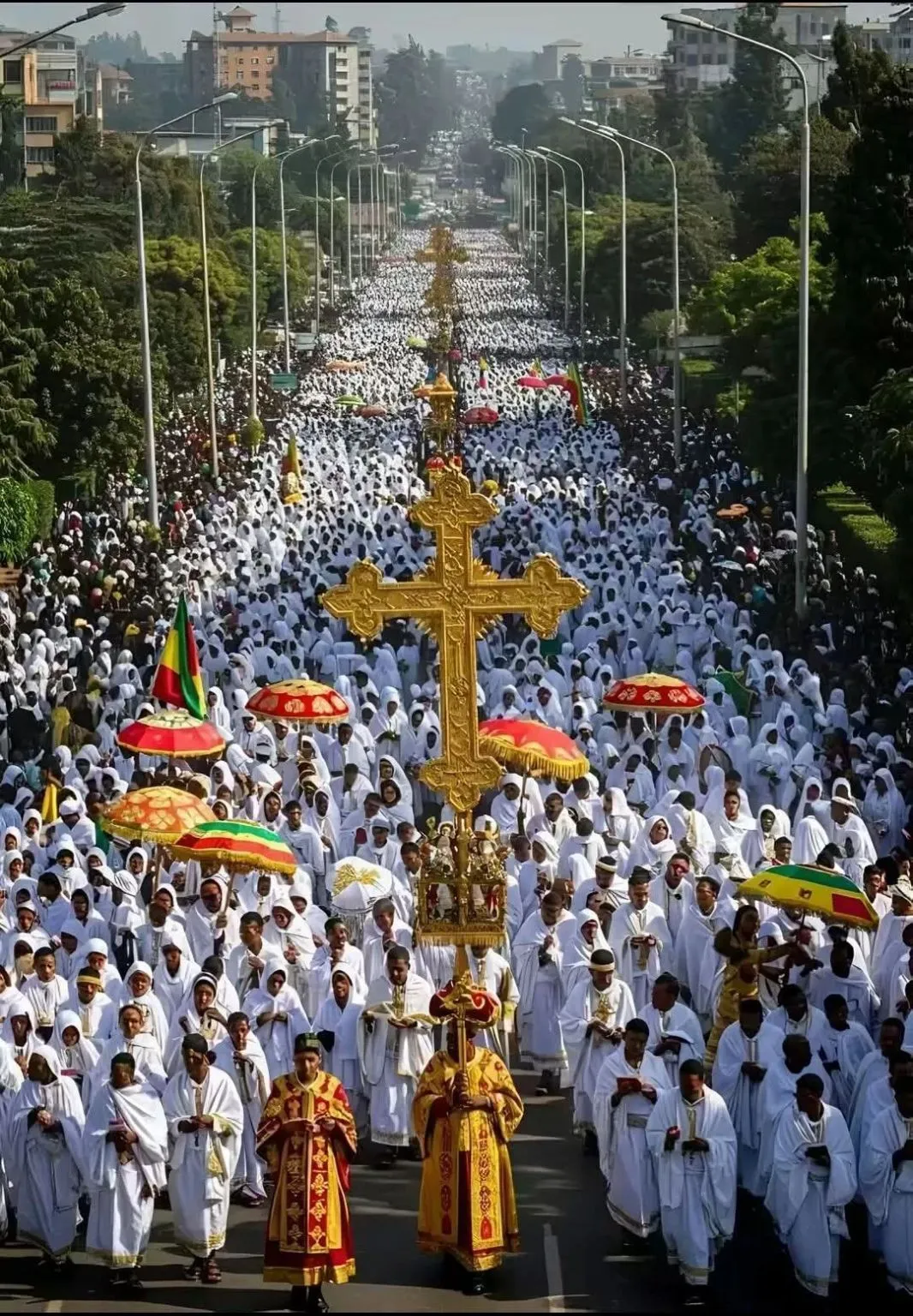
Timkat (Epiphany)
Experience Timkat, Ethiopia's most colorful, vibrant, and important religious festival celebrating t...
Festival Details
- Date
- Based on Islamic lunar calendar (dates vary annually)
- Season
- Varies according to Islamic calendar
- Location
- Harar, Dire Dawa, Addis Ababa, Wollo, Jimma, and nationwide Muslim communities
- Region
- Harar
- Best Time to Visit
- During Eid celebrations (specific dates vary annually by Islamic calendar)
Why Experience This Festival
- Unique cultural celebration
- Authentic local experience
- Incredible photo opportunities
- Traditional ceremonies & rituals