Experience the vibrant colors, ancient rituals, and rich cultural heritage of Ethiopia through its spectacular festivals.
Don't miss these iconic cultural celebrations
Celebrate the Ethiopian New Year on September 11th (or 12th in leap years), marking the end of the rainy season and beginning of spring according to Ethiopia's unique calendar system. Enkutatash, meaning 'gift of jewels,' commemorates the legendary return of the Queen of Sheba from Jerusalem laden with jewels, but has evolved into a celebration of renewal, family, and hope for the coming year. The festival beautifully blends religious observance, family traditions, and community celebrations across Ethiopia.
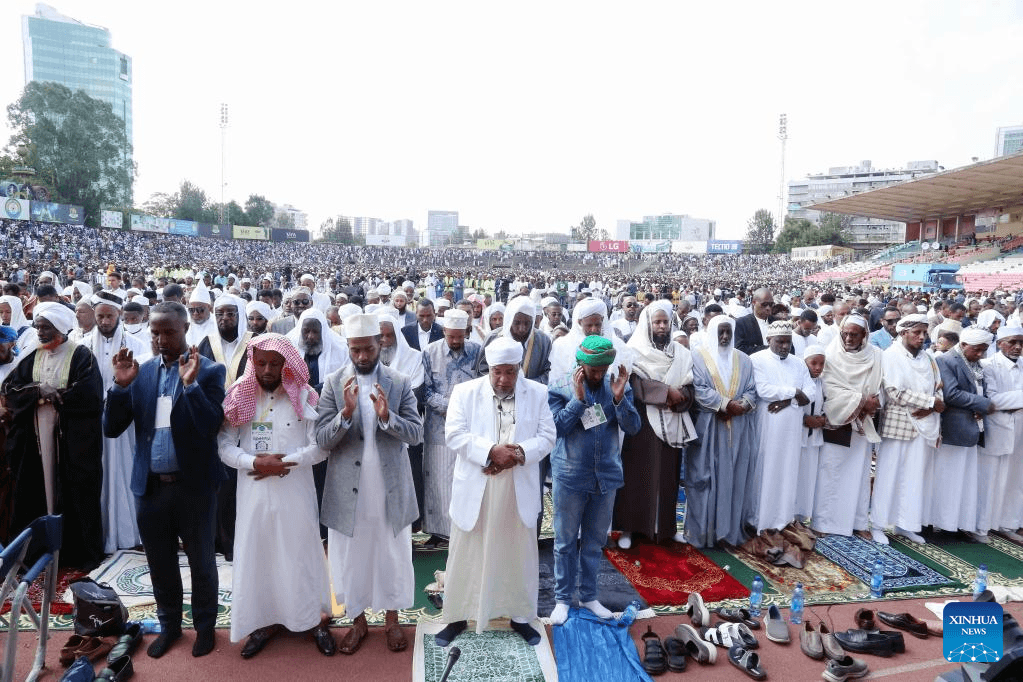
Islamic festivals celebrated by Ethiopia's significant Muslim community with profound religious devotion, community solidarity, and cultural expressions that reflect Ethiopia's unique Islamic heritage. Eid al-Fitr marks the end of Ramadan's month-long fasting, while Eid al-Adha commemorates Prophet Ibrahim's willingness to sacrifice his son. Ethiopian Eid celebrations blend universal Islamic practices with distinctive local traditions, particularly vibrant in historic Islamic centers like Harar.
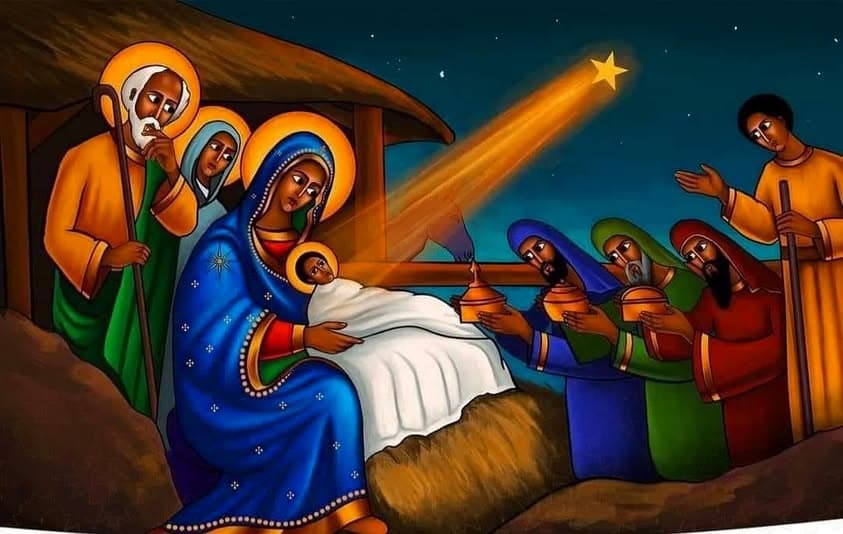
Celebrate Ethiopian Christmas on January 7th according to the ancient Julian calendar, with profound religious devotion, ancient liturgical traditions, and unique cultural practices distinct from Western Christmas celebrations. Known locally as Genna (also called Lidet), this festival commemorates the birth of Jesus Christ with all-night church services, pilgrimages, fasting, and distinctive traditions like the Genna hockey game. The celebrations are particularly magnificent in historical religious centers like Lalibela.
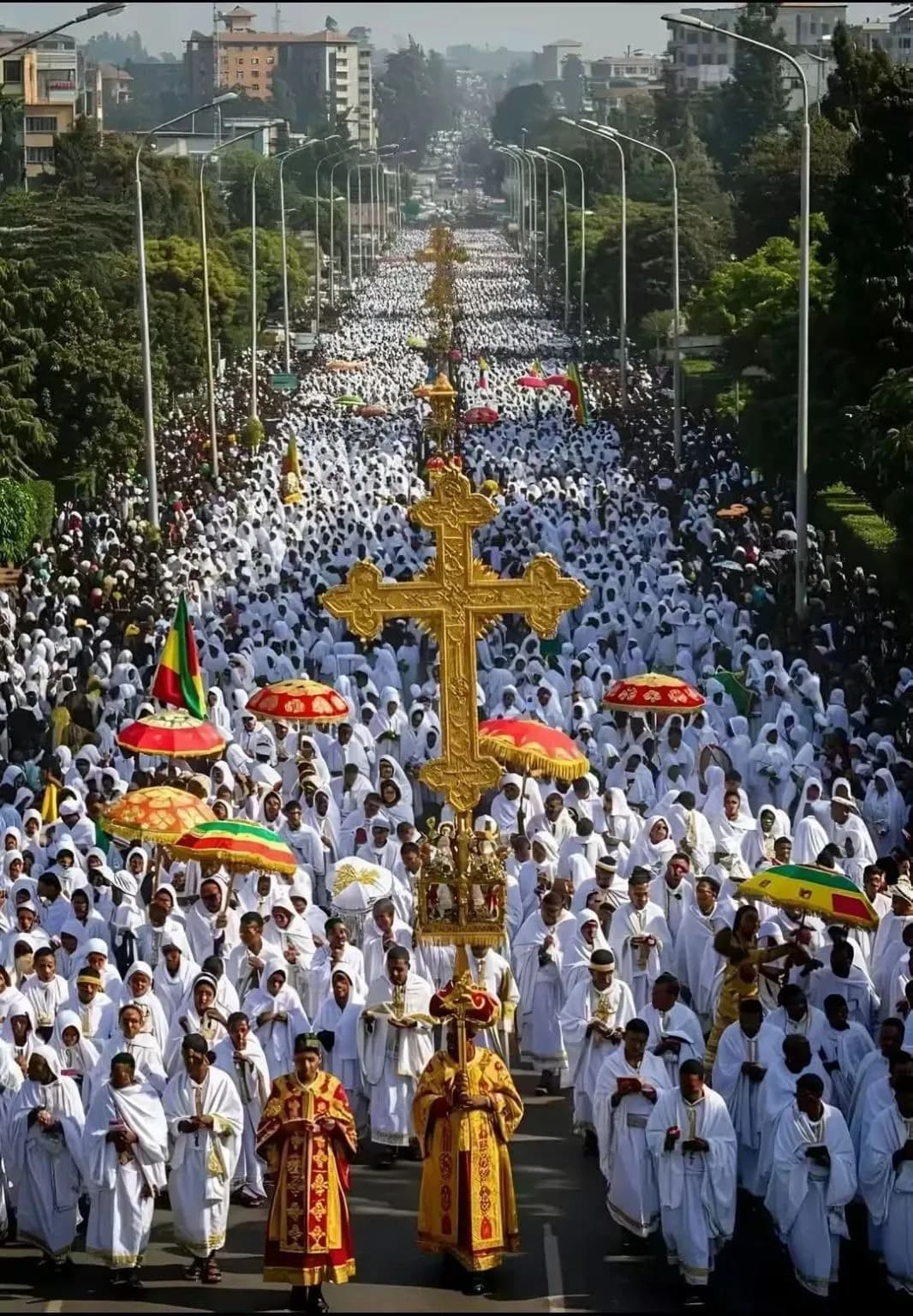
Experience Timkat, Ethiopia's most colorful, vibrant, and important religious festival celebrating the baptism of Jesus in the Jordan River. Occurring on January 19th (20th in leap years), Timkat transforms cities into seas of white-clad worshippers, colorful ceremonial umbrellas, and elaborate processions featuring replicas of the Ark of the Covenant. The festival's culmination in water blessings and communal celebrations creates unforgettable visual and spiritual spectacles, particularly magnificent in Gondar with its historic baths.
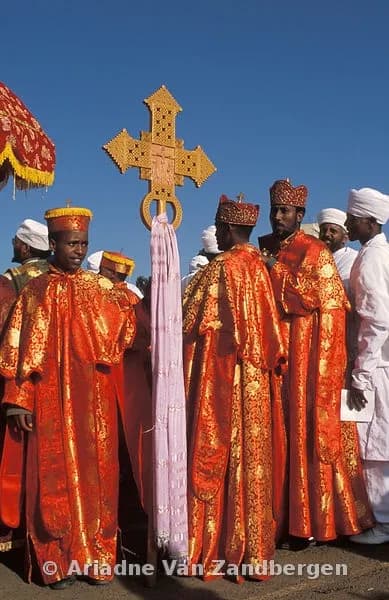
Celebrate Meskel on September 27th, commemorating the discovery of the True Cross by Queen Helena (Empress Helena), mother of Constantine the Great, in the 4th century. The festival's most spectacular feature is the lighting of massive bonfires (damera) topped with crosses, around which priests and worshippers circle in ceremonial robes. Meskel also celebrates the end of the rainy season and beginning of spring, with yellow Meskel flowers (adey abeba) blooming across the highlands.
Celebrate the Ethiopian New Year on September 11th (or 12th in leap years), marking the end of the rainy season and beginning of spring according to Ethiopia's unique calendar system. Enkutatash, meaning 'gift of jewels,' commemorates the legendary return of the Queen of Sheba from Jerusalem laden with jewels, but has evolved into a celebration of renewal, family, and hope for the coming year. The festival beautifully blends religious observance, family traditions, and community celebrations across Ethiopia.
Islamic festivals celebrated by Ethiopia's significant Muslim community with profound religious devotion, community solidarity, and cultural expressions that reflect Ethiopia's unique Islamic heritage. Eid al-Fitr marks the end of Ramadan's month-long fasting, while Eid al-Adha commemorates Prophet Ibrahim's willingness to sacrifice his son. Ethiopian Eid celebrations blend universal Islamic practices with distinctive local traditions, particularly vibrant in historic Islamic centers like Harar.
Celebrate Ethiopian Christmas on January 7th according to the ancient Julian calendar, with profound religious devotion, ancient liturgical traditions, and unique cultural practices distinct from Western Christmas celebrations. Known locally as Genna (also called Lidet), this festival commemorates the birth of Jesus Christ with all-night church services, pilgrimages, fasting, and distinctive traditions like the Genna hockey game. The celebrations are particularly magnificent in historical religious centers like Lalibela.
Experience Timkat, Ethiopia's most colorful, vibrant, and important religious festival celebrating the baptism of Jesus in the Jordan River. Occurring on January 19th (20th in leap years), Timkat transforms cities into seas of white-clad worshippers, colorful ceremonial umbrellas, and elaborate processions featuring replicas of the Ark of the Covenant. The festival's culmination in water blessings and communal celebrations creates unforgettable visual and spiritual spectacles, particularly magnificent in Gondar with its historic baths.
Celebrate Meskel on September 27th, commemorating the discovery of the True Cross by Queen Helena (Empress Helena), mother of Constantine the Great, in the 4th century. The festival's most spectacular feature is the lighting of massive bonfires (damera) topped with crosses, around which priests and worshippers circle in ceremonial robes. Meskel also celebrates the end of the rainy season and beginning of spring, with yellow Meskel flowers (adey abeba) blooming across the highlands.
Plan your visit according to Ethiopia's festival calendar
Book a festival tour package and immerse yourself in Ethiopia's rich cultural heritage with expert guides.